
Excellent Student Results. Excellent Educator Careers.
Students Reached in 2024–25 Alone
Teachers on Teams in 2024–25
$ Total Extra Teacher Pay
Extra Months of Learning Each Year
% Consistent Teacher-Leader Approval
$ Average Teacher-Leader Stipend
Redesign schools with research-proven staffing changes to roles, schedules, teacher residencies, instruction, and tutoring to reach all students with excellent teaching and all educators with excellent team-based careers.
Public Impact® offers many affordable options to help you achieve higher learning results and teacher pay.
What’s the Latest?
📰 Read: Our op-ed in The 74—6-figure pay for teachers; blog—add tutoring time for free
🎧 Catch us on the Learning Can’t Wait podcast
🖥️ Virtual 2-day strategic staffing workshops; Free certification webinars
📜 Are you on the list? All the schools attaining Certified Opportunity Culture School™ status
⚾ Step up to the plate! Register for virtual summer professional learning
We help you flip the odds for students!
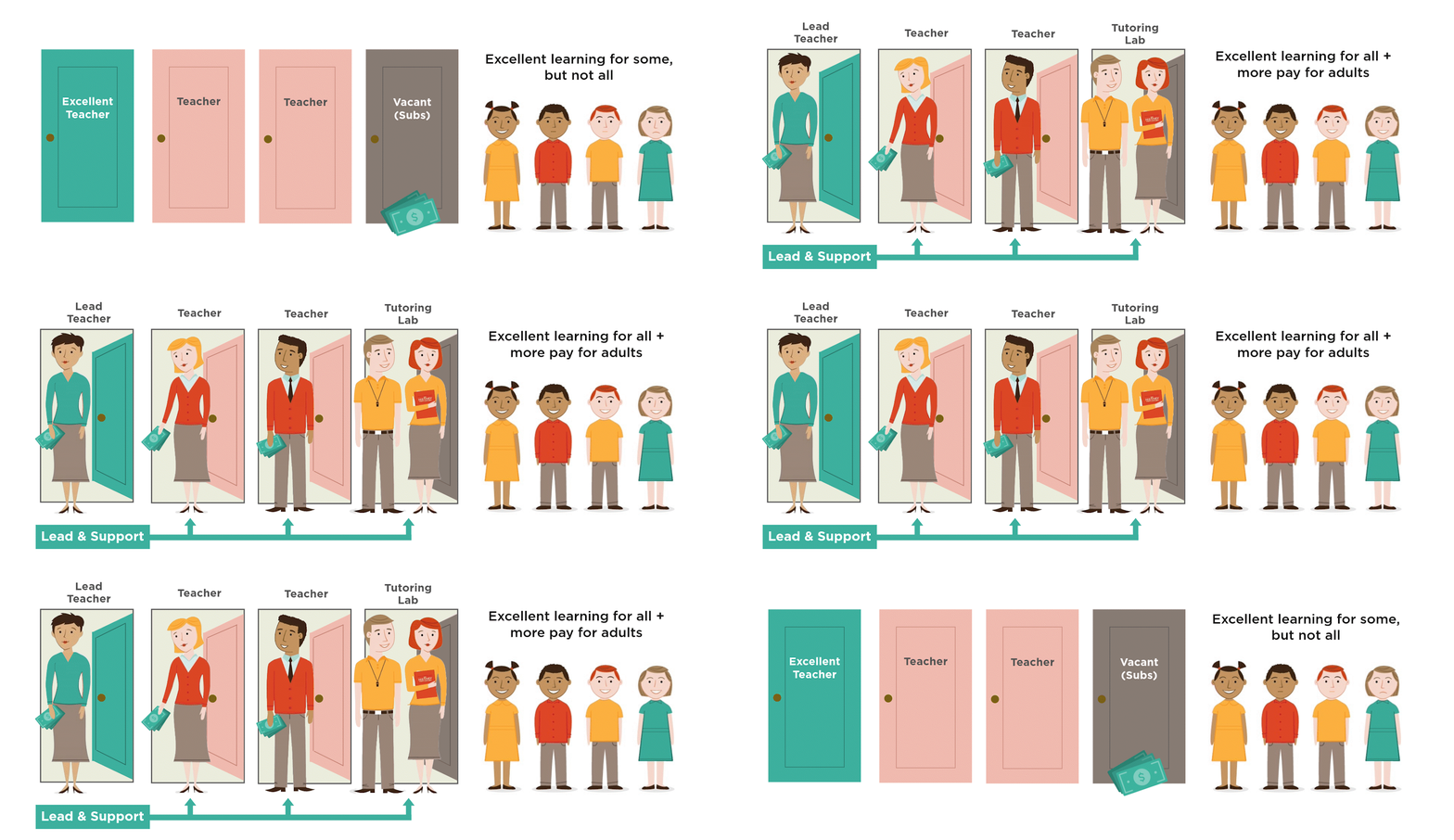
Public Impact® created and leads the Opportunity Culture® initiative, the nation’s largest and most successful school staffing design effort, with robust educator support and satisfaction, sustainable higher pay, and strong student results. Contact us!
Understand the Strategy
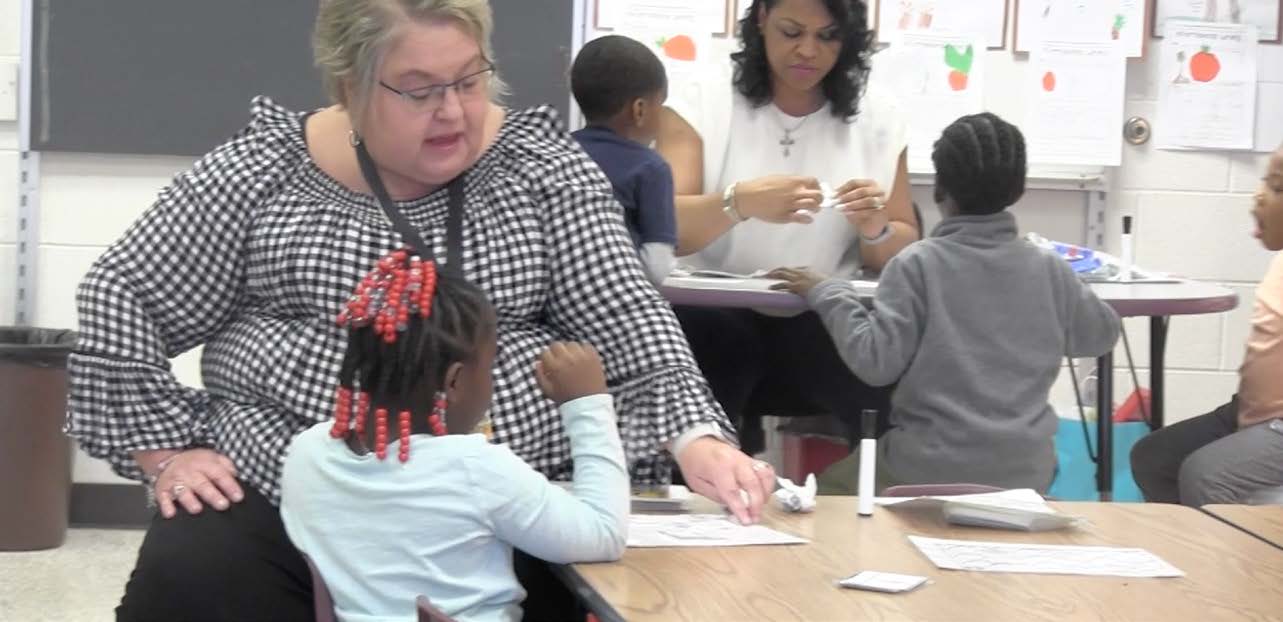
See how Opportunity Culture® teaching teams surpass the old one-teacher, one-classroom model, using our district and school support to design roles, stipends, schedules, and structures.

Explore the Results
Be inspired by dramatic student results and positive reviews from educators, and the assurance design certification gives families and prospective educators that their school’s design is correlated with results.
Start Learning
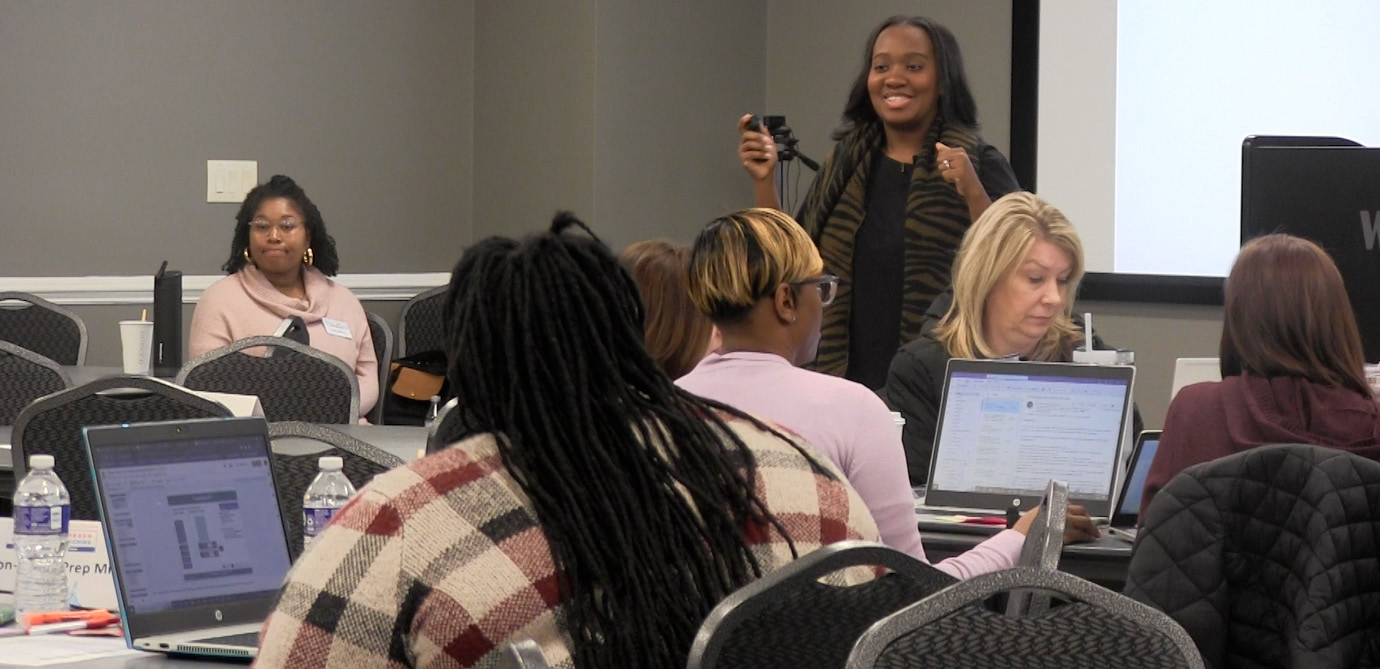
Use our extensive professional learning options and executive and leadership coaching to support educators and students for success. To start learning more, get on the Opportunity Culture® learning path!
“[This] is truly an innovative and immersive experience for educators to share their excellence and coach others, all while moving students in meaningful ways."
—Baltimore City Public Schools Teacher of the Year
"With the coaching that our [team leaders] are providing to our teachers, we saw an increase in the number of teachers who outperform the state in terms of growth of students."
—District Superintendent
"It’s something that I wish every school and every teacher and every student could experience."
—Elementary School Teaching Team Leader
WHAT’S HAPPENING
Advanced Teaching Roles Info Session; Strategic School Staffing Webinar
Making 6-Figure Pay a Reality for Teachers
What are some Texas districts doing to make six-figure pay a reality for their teachers, well before the end of long careers? Read about the example from one district, Midland, in our senior VP Sharon Kebschull Barrett's op-ed in The 74. "Ask teachers how much their...
June 2025 Newsletter: 5 How-To’s—Education Strategies that Stick
How can you reverse student learning slides in three steps ? Avoid K-12 scale fail? Stop wasting student teachers’ time and money? Add tutoring time for free? Right-size your tutoring groups? Public Impact® Co-President Bryan Hassel offers advice in a recent series of...